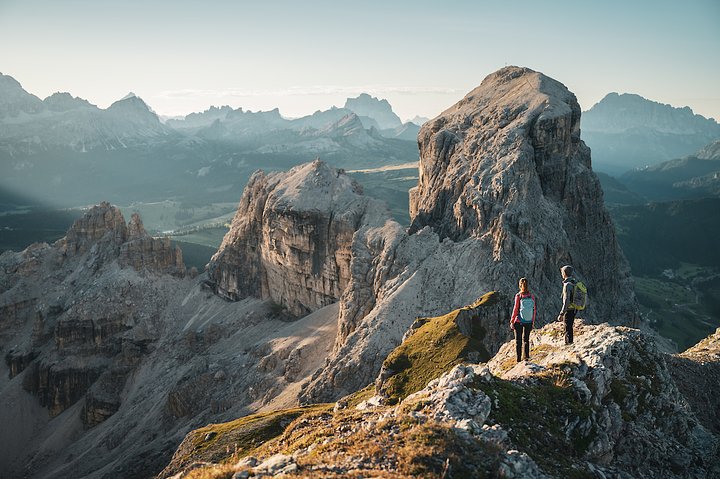
The Dolomites are a world-renowned destination for outdoor enthusiasts seeking unforgettable mountain experiences. Hiking in the Dolomites offers a unique combination of dramatic limestone peaks, pristine alpine meadows, and a network of mountain huts that make multi-day adventures accessible to hikers of varying abilities. Whether you're wondering can beginners hike the Dolomites or seeking the region's most challenging routes, this ultimate guide provides everything you need to plan your hut-to-hut adventure.
Are the Dolomites Beginner Friendly?
One of the most common questions prospective hikers ask is how difficult is hiking in Dolomites. The answer depends significantly on which routes you choose and your current fitness level. The Dolomites offer trails ranging from gentle valley walks to technically demanding high routes, making the region accessible to both novice and experienced mountain enthusiasts.
Can a beginner hike the Dolomites? Absolutely. Many hut-to-hut routes feature well-maintained trails with moderate elevation gains that suit hikers with basic fitness. However, understanding how fit do you need to be to hike the Dolomites helps set realistic expectations. Most multi-day routes involve 4-6 hours of daily hiking with elevation changes between 500-800 meters, requiring cardiovascular endurance and comfortable mountain walking experience.
Are the Dolomites hikes hard? This varies considerably by route. The famous Alta Via 1, for instance, represents a moderate challenge suitable for fit beginners, while Alta Via 2 demands more technical skills and mountain experience. The key to successful Dolomites hiking lies in honest self-assessment and choosing routes that match your abilities.
Scegliere il percorso giusto
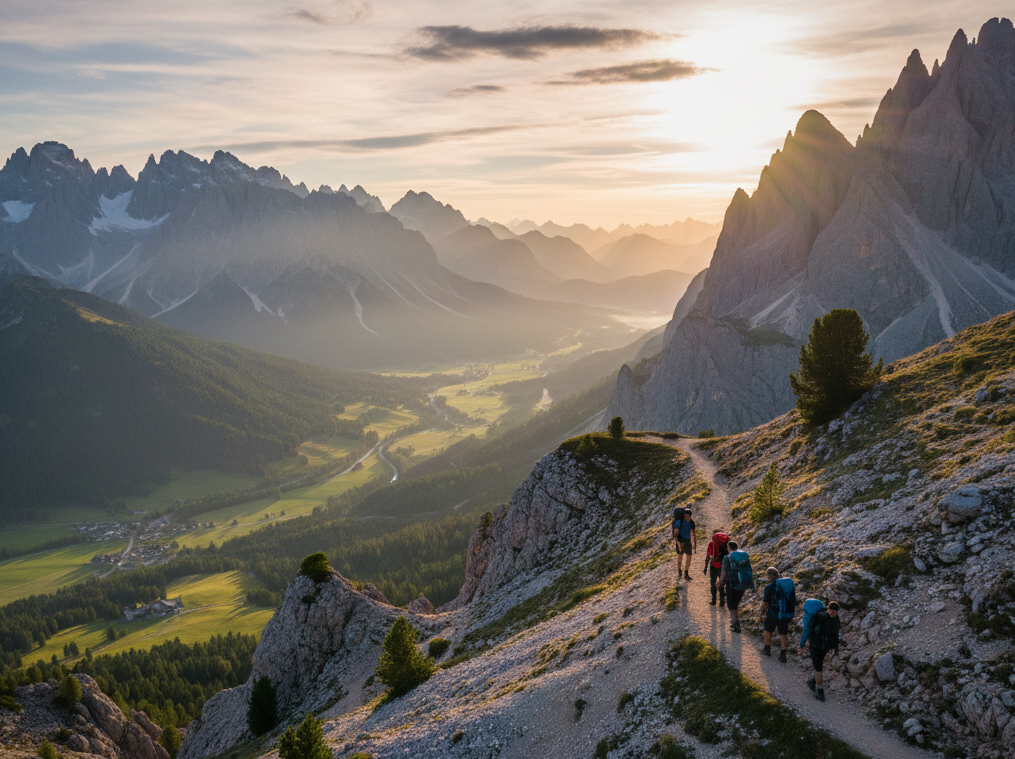
The Dolomites offer an extensive range of hiking routes, each with distinctive features and difficulty levels. The Dolomites High Routes form a network of long-distance trails traversing the mountain range in northeastern Italy, offering some of the most spectacular hiking in the Dolomites.
What is the most famous hike in the Dolomites? The Alta Via 1 claims this distinction, running approximately 120 kilometers from Lago di Braies to Belluno. This iconic route showcases the region's most dramatic landscapes while remaining accessible to hikers with moderate experience. What is the most popular hike in the Dolomites often coincides with the Alta Via 1 due to its perfect balance of challenge and accessibility.
For those seeking greater challenges, what is the hardest hike in the Dolomites might be the Alta Via 2, which incorporates more technical sections and via ferrata passages requiring specialized equipment and mountain experience. This route demands not just fitness but also comfort with exposure and technical terrain.
Both Alta Via 1 and Alta Via 2 feature well-marked trails offering hikers opportunities to stay in mountain huts or rifugios along the way. These routes allow you to experience stunning mountain scenery, explore the unique geology of the Dolomites, and immerse yourself in local culture and cuisine.
When planning your route, consider that are the Dolomites easy to climb depends on specific objectives. Hiking trails differ significantly from technical climbing routes, and understanding this distinction proves essential for safe trip planning.
What is the Best Time to Hike Dolomites?
Timing significantly impacts your Dolomites hiking experience. What is the best month to hike in the Dolomites? July and August offer the most reliable weather and fully operational mountain huts, though these months also bring peak crowds. How cold are Dolomites in May? Early season conditions can include snow at higher elevations and temperatures requiring warm layers, though lower valleys become accessible and offer beautiful spring scenery.
The optimal best time to hike Dolomites runs from mid-June through mid-September. During this window, weather typically stays warm and dry, trails remain open and accessible, and mountain huts operate on full schedules. However, preparation for changing mountain weather remains crucial regardless of season.
When not to visit the Dolomites? Winter months from November through April see most hiking trails closed due to snow, while shoulder seasons of May and October present unpredictable conditions. When to avoid Dolomites for hiking specifically means late autumn through early spring, though these periods offer excellent opportunities for winter sports enthusiasts.
How many days in Dolomites is enough? A complete Alta Via 1 traverse requires 10-12 days, while shorter sections can be enjoyed in 4-7 days. The region's accessibility allows customization based on available time and fitness levels.
Preparare l'attrezzatura giusta
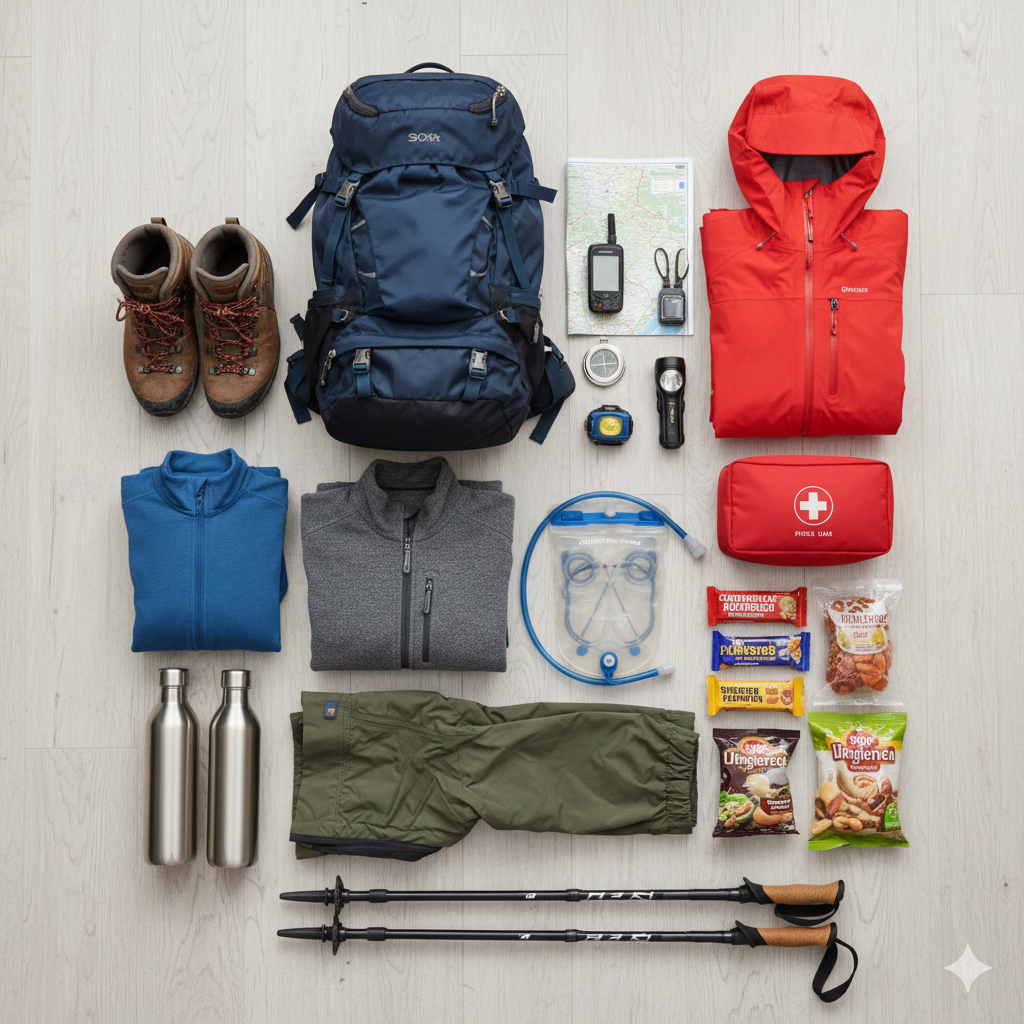
Successful hiking in the Dolomites requires proper equipment ensuring both safety and comfort. Essential items include a sturdy backpack sized appropriately for multi-day trips, well-broken-in hiking boots with ankle support for varied terrain, and a waterproof jacket with breathable fabric for mountain weather protection.
Navigation tools remain crucial despite well-marked trails. Pack a detailed map and compass or GPS device, along with a headlamp or flashlight for early starts or unexpected delays. A comprehensive first aid kit addresses common trail injuries and ailments.
Layered clothing systems work best for mountain environments where temperatures fluctuate significantly. Include moisture-wicking base layers, insulating mid-layers, and weatherproof outer shells. Even during summer, higher elevations can be surprisingly cold, particularly during storms or in early morning hours.
Water bottles or hydration systems keep you properly hydrated during long hiking days, while high-energy snacks provide fuel between hut meals. Trekking poles significantly reduce knee stress on descents and improve stability on technical sections.
| Continua a leggere: Gli elementi essenziali dello zaino |
Soggiornare nei rifugi di montagna
Mountain huts or "rifugios" represent one of the highlights of hut-to-hut hiking in the Dolomites. These alpine accommodations offer basic but comfortable lodging, typically featuring shared dormitories, bathroom facilities, and communal dining areas that foster camaraderie among international hikers.
What is the prettiest town in the Dolomites? While hiking focuses on mountain landscapes, towns like Cortina d'Ampezzo, Ortisei, and Selva di Val Gardena offer charming bases for exploring surrounding trails. However, the true magic lies in the rifugios themselves, strategically positioned to showcase what is the most famous spot in the Dolomites and what is the most photographed spot in the Dolomites—the dramatic peaks that define this UNESCO World Heritage landscape.
Huts typically provide meals, eliminating the need to carry heavy food supplies. This allows hikers to travel with lighter packs while enjoying hearty mountain cuisine featuring local specialties. The communal dining experience creates opportunities to meet fellow hikers, exchange trail experiences, and appreciate the stunning mountain scenery surrounding each refuge.
Understanding are the Dolomites hard to climb versus hike becomes clearer when staying in huts positioned beneath famous peaks. Many rifugios serve as bases for both hiking routes and technical climbing objectives, illustrating the range of activities the region offers.
| Continua a leggere: I 5 migliori rifugi delle Dolomiti |
Prenotazione dell'alloggio
Mountain huts fill quickly, especially during peak season when many hikers wonder is Dolomites a difficult hike and choose popular routes. Advance booking proves essential for securing accommodation, particularly on famous routes like Alta Via 1.
Reservations can typically be made by phone or increasingly through online systems. Confirm your booking several days before arrival, as mountain huts operate in challenging environments where circumstances occasionally require schedule adjustments.
Working with tour operators specializing in Dolomites outdoor activities simplifies the booking process significantly. Local providers like Adventoured possess intimate knowledge of the hut network and can recommend optimal accommodations based on your itinerary and preferences. This expertise proves especially valuable for first-time visitors wondering can beginners hike the Dolomites and seeking routes with appropriate support infrastructure.
Unitevi a noi in una visita guidata: la vostra esperienza è a portata di clic e non dovete preoccuparvi di pianificare! Siamo gente del posto!
Navigare nei sentieri
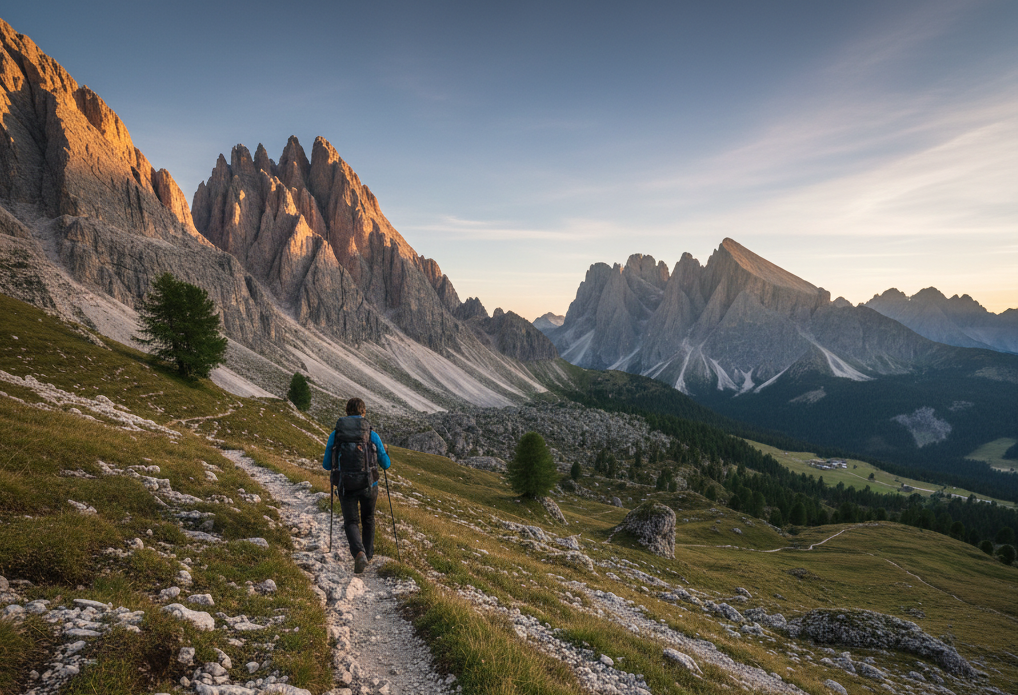
Despite well-marked trails throughout the Dolomites, proper navigation skills remain essential for safe mountain travel. Trail markings use standardized European systems, with red and white blazes indicating primary routes and numbered signs at trail junctions.
Carrying physical maps and compass or GPS devices provides backup navigation when weather obscures visibility or when exploring less-traveled routes. Understanding how to read terrain and anticipate trail routes enhances both safety and enjoyment.
Weather awareness proves crucial in mountain environments where conditions change rapidly. Monitor forecasts before departing each morning and remain alert to developing weather patterns throughout the day. Mountain storms can be severe, making weather knowledge essential for anyone undertaking hiking in the Dolomites.
Staying on marked trails protects delicate alpine vegetation and prevents environmental damage. The Dolomites' unique geology and ecosystems require conscious stewardship from all visitors to preserve their beauty for future generations.
Pianificazione dei pasti
Most mountain huts offer meal service including breakfast and dinner, featuring substantial portions suitable for hungry hikers. Traditional dishes showcase regional cuisine, with polenta, speck, canederli, and hearty soups appearing frequently on menus.
Vegetarian and special dietary requirements can usually be accommodated with advance notice. Inform huts of dietary needs when making reservations to ensure appropriate meal preparation.
Lunch typically isn't included in hut stays, making packed lunches necessary for trail days. Many rifugios offer packed lunch services for additional fees, or you can assemble provisions from breakfast offerings. Carrying high-energy snacks supplements lunch and provides fuel during challenging trail sections.
Rispettare l'ambiente
Hiking in the Dolomites represents a privilege that comes with environmental responsibility. These mountains face increasing visitor pressure, making conscious stewardship essential for preserving their natural beauty and ecological integrity.
Always remain on marked trails to protect vegetation and prevent erosion. Properly dispose of all waste, carrying out everything you carry in. Many rifugios have limited waste management capabilities, making minimal waste generation particularly important.
Respect other hikers by maintaining reasonable noise levels and following mountain etiquette regarding trail right-of-way. Uphill hikers typically have priority on narrow sections, while faster hikers should be allowed to pass safely.
Follow all rules and regulations established by huts and park authorities. These guidelines exist to protect both visitors and the fragile mountain environment.
Famous Dolomites Landmarks
What is the most famous peak in the Dolomites? The Tre Cime di Lavaredo ranks among the most iconic, with their distinctive three-peaked silhouette recognized worldwide. However, peaks like Marmolada, the region's highest at 3,343 meters, and the Sella Group also claim fame among mountaineers and hikers.
Understanding the distinction between what is the most famous spot in the Dolomites for photographers versus hikers helps in route planning. Popular photography locations like Lago di Braies or Seceda often require separate visits from primary hiking routes, though many trails pass spectacular viewpoints.
Working with Local Experts
Experience providers specializing in Dolomites outdoor activities offer invaluable support for planning successful trips. Local guides possess intimate knowledge of trail conditions, weather patterns, and the best seasonal timing for various routes.
For those questioning can beginners hike the Dolomites, working with experienced guides provides essential support and instruction. Professional guidance transforms potentially intimidating mountain environments into accessible adventures while maintaining appropriate safety standards.
Adventoured represents a community of outdoor enthusiasts and local mountain guides dedicated to sharing the Dolomites' beauty with visitors. Their local expertise helps hikers maximize mountain time while ensuring trips remain safe and sustainable.
Your Dolomites Adventure Awaits
Hut-to-hut hiking in the Dolomites offers experiences that every mountain enthusiast should enjoy at least once. The region's stunning natural beauty, unique geology, and rich cultural heritage create one of the world's premier hiking destinations.
Whether you're an experienced hiker or someone wondering are the Dolomites beginner friendly, routes exist to match your abilities and aspirations. The key lies in honest self-assessment, proper preparation, and choosing appropriate routes for your fitness level.
Understanding how difficult is hiking in Dolomites empowers realistic planning that leads to successful, enjoyable adventures. With proper preparation, appropriate route selection, and respect for the mountain environment, the Dolomites welcome hikers of all backgrounds to experience their extraordinary beauty.
Ready to experience the trip of a lifetime?
Check our Hiking Tours and discover why hut-to-hut hiking in the Dolomites continues captivating adventurers from around the world.